



Is a Custom Neon Sign Worth It? Pros, Cons, and Real Use Cases
If you’ve ever walked through a city at night and noticed how your eyes are drawn to glowing signs before anything else, you already understand the core appeal of neon. It doesn’t shout, but it pulls attention.
That said, a custom neon sign is not a small purchase. Whether you’re a business owner thinking about branding or a homeowner considering decor, the real question isn’t “Do neon signs look cool?” — it’s “Is a custom neon sign actually worth the money for my use case?”
The answer depends on expectations, placement, and how you plan to use it long-term. Let’s break it down honestly.
A Quick Look at Neon: Old Reputation, New Reality
Traditional glass neon signs date back more than a century. For decades, they were the gold standard for visibility — especially in storefronts, hotels, bars, and roadside businesses.
Today, most “neon” signs are actually LED neon. They look nearly identical, but the technology behind them is very different. LED neon uses flexible tubing and low-voltage light sources instead of fragile glass and high voltage.
For most buyers today, the conversation isn’t neon vs no neon — it’s LED neon vs traditional signage.
The Real Pros of a Custom Neon Sign
1. High Visibility Without Aggressive Advertising
A well-designed neon sign doesn’t feel like an ad. It feels like part of the environment.
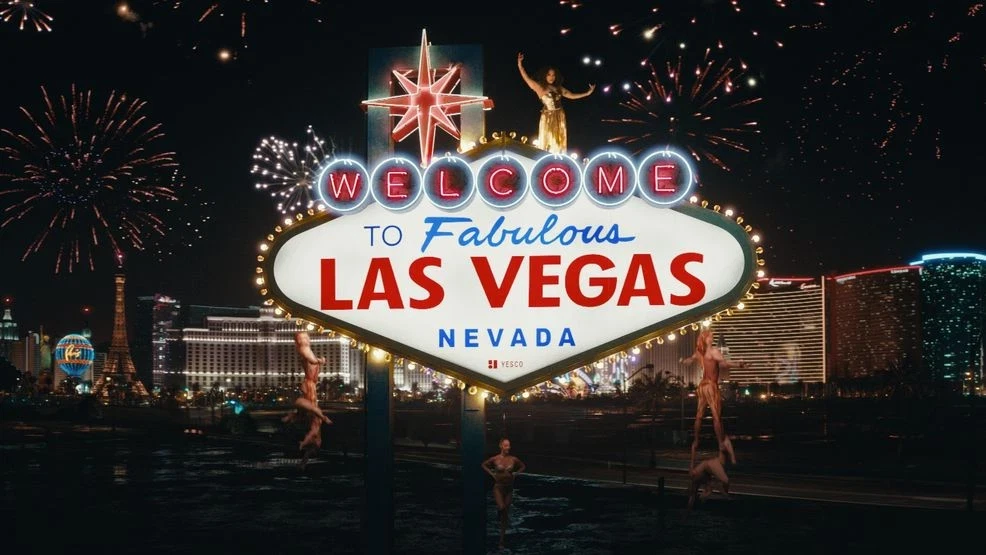
That’s a big reason neon still works when banners, posters, and flat signs fade into the background. Even during daylight hours, neon remains noticeable — and at night, it becomes a landmark.
For businesses that rely on foot traffic or impulse visits, this visibility alone can justify the cost.
2. Energy Efficiency (Especially with LED Neon)
One common concern is electricity usage. Traditional neon did use significant voltage, but modern LED neon runs on very low power.
In real use:
-
LED neon consumes far less electricity than most exterior lighting
-
It can stay on for long hours without noticeably affecting utility bills
-
Heat output is minimal, making it safer for indoor spaces
For businesses open at night, this makes neon far more practical than spotlights or illuminated sign boxes.
3. Design Freedom You Don’t Get With Flat Signs
Custom neon signs aren’t limited to rectangles, standard fonts, or fixed colors.
You can:
-
Match brand fonts exactly
-
Recreate logos or icons
-
Choose precise color tones
-
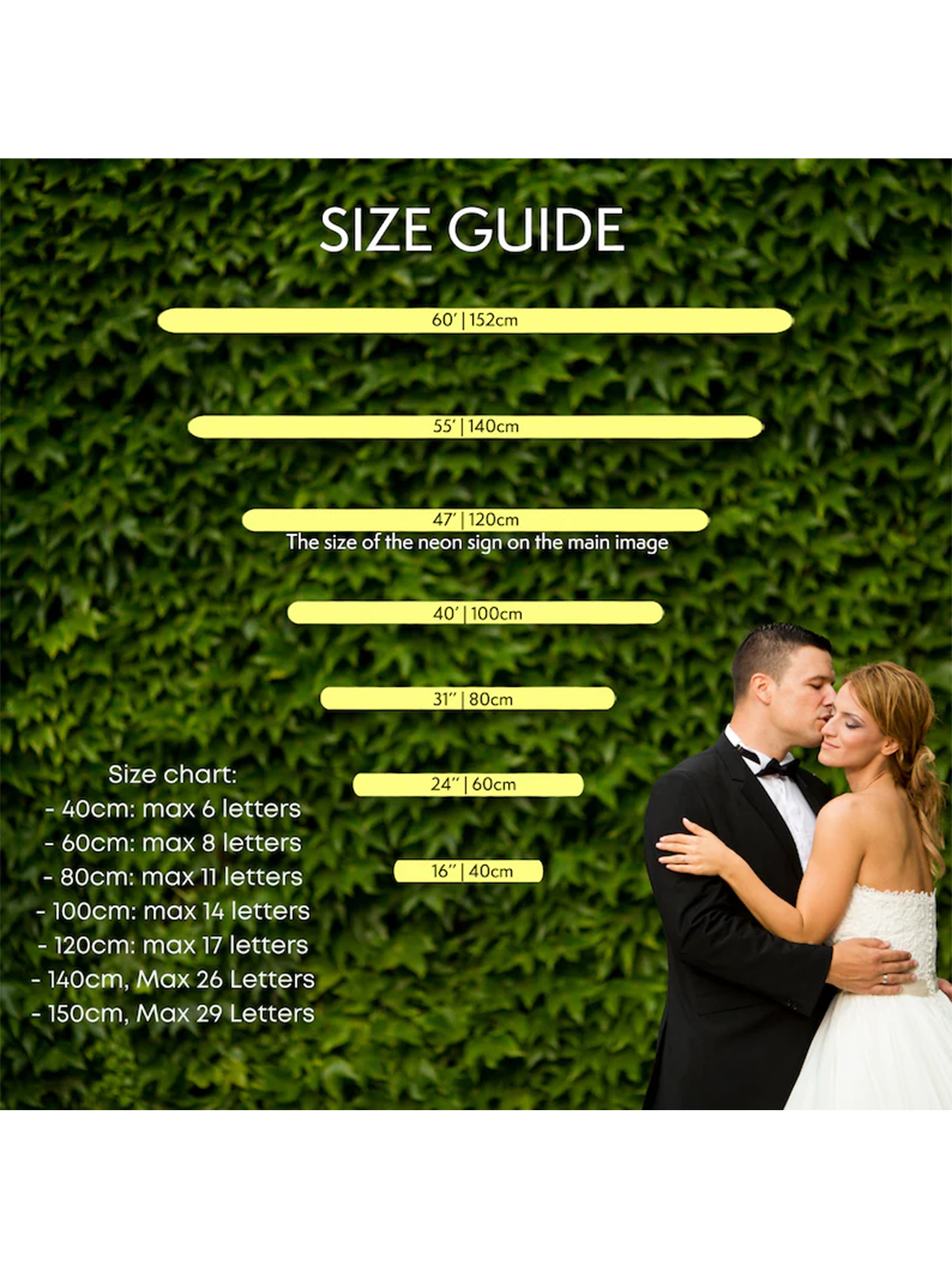
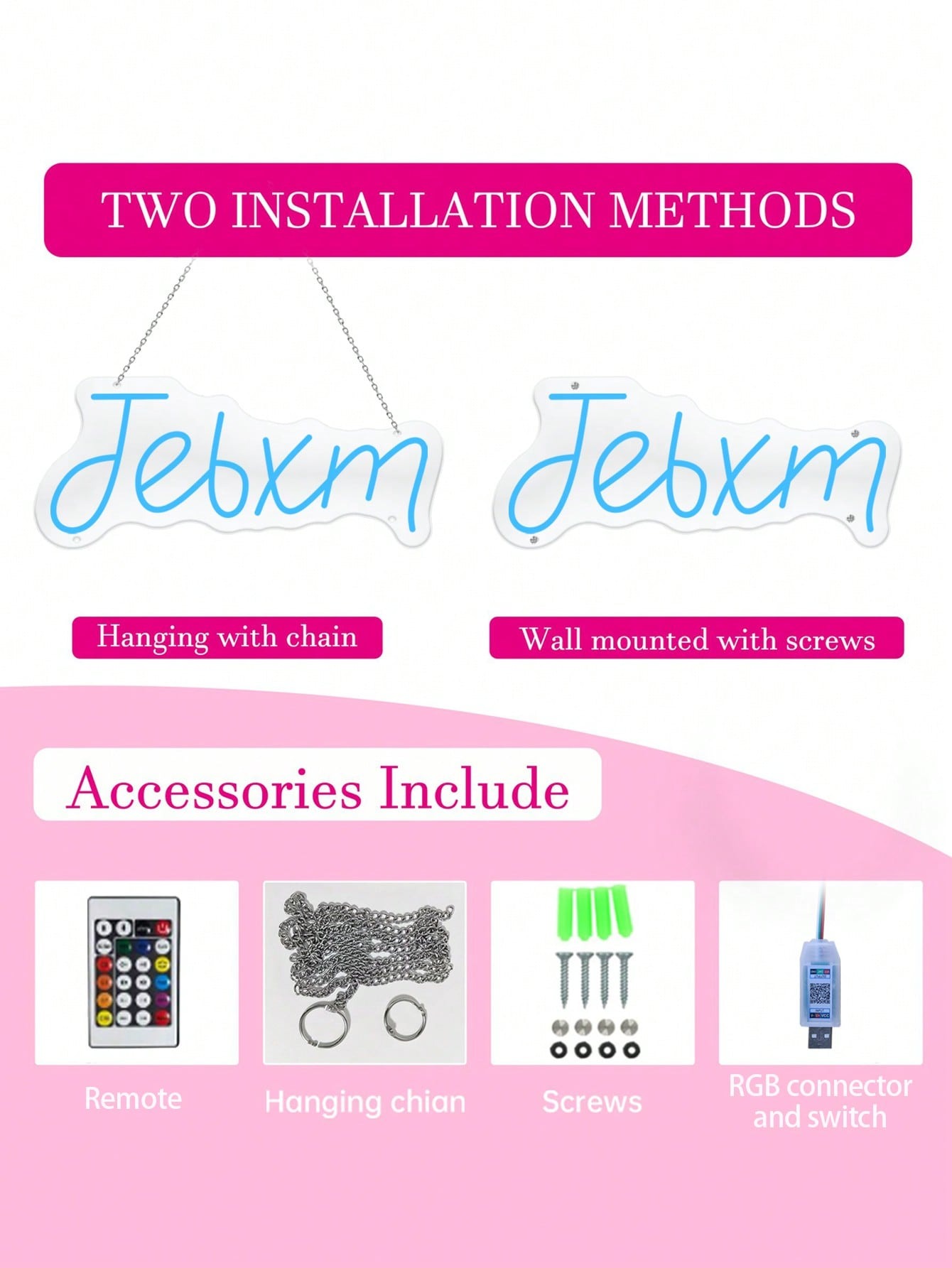
Adjust size to fit awkward spaces
This flexibility matters more than people expect — especially when local building rules or landlord restrictions limit sign dimensions. Neon adapts where rigid signs don’t.

4. Long Lifespan With Low Maintenance
A properly made LED neon sign can last years, often close to a decade, without needing replacement.
Compared to:
-
Changing bulbs
-
Replacing printed banners
-
Updating worn signage
Neon becomes a “set it and forget it” solution. That consistency adds value over time.
5. Strong Branding and Social Media Impact
This is something many businesses underestimate.
Neon signs:
-
Appear in customer photos
-
Become recognizable visual markers
-
Translate well to Instagram, TikTok, and Google reviews
In many cases, the sign becomes part of the brand identity — not just a tool to say “open.”
The Honest Cons You Should Know
1. Higher Upfront Cost
Custom neon signs are not cheap compared to vinyl banners or printed boards.
You’re paying for:
-
Custom fabrication
-
Design work
-
Quality materials
-
Longevity
If you expect instant ROI in a few weeks, neon may disappoint. It’s a long-term branding investment, not a quick promotion tool.
2. Not Ideal for Every Neighborhood
Some areas restrict illuminated signage. Others simply don’t fit the aesthetic.
Before ordering:
-
Check local zoning rules
-
Review landlord or HOA policies
-
Look at nearby businesses
If no one else uses illuminated signage, it doesn’t always mean neon won’t work — but it does mean you should be careful with brightness and size.
3. Overdesign Can Backfire
Neon works best when it’s clear and intentional.
Too many colors, excessive effects, or unreadable fonts can:
-
Reduce clarity
-
Feel cheap instead of premium
-
Distract rather than attract
Simple designs often outperform complex ones in real-world use.
Real Use Cases Where Custom Neon Signs Make Sense
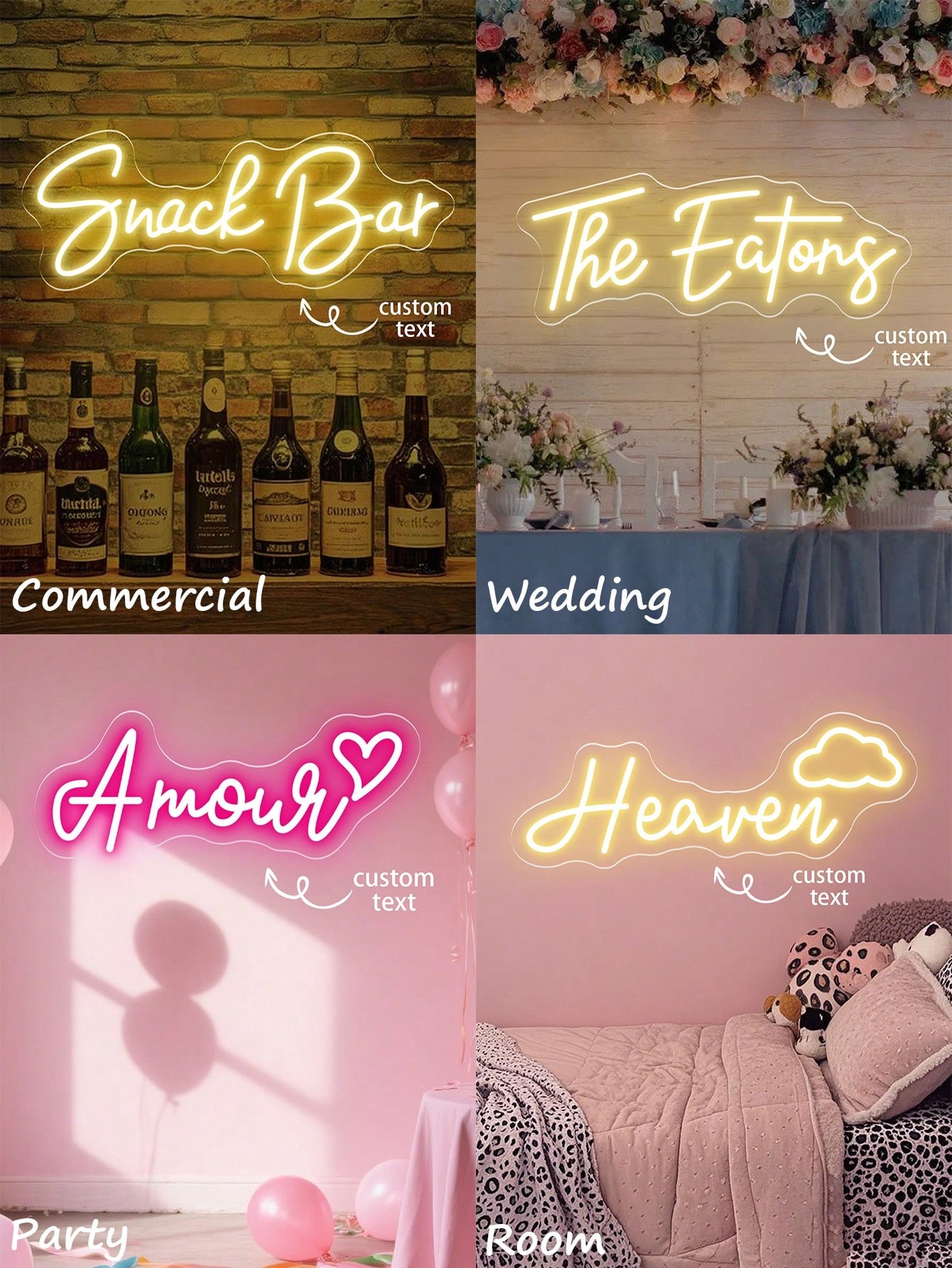
Brick-and-Mortar Businesses
-
Cafés
-
Bars
-
Salons
-
Retail shops
-
Gyms and studios
Neon helps customers find you, remember you, and recognize you — especially after dark.
Event Spaces and Pop-Ups
For:
-
Weddings
-
Corporate events
-
Trade shows
-
Product launches
Neon signs double as decor and branding, often becoming the most photographed element in the space.
Home Decor (Yes, Really)
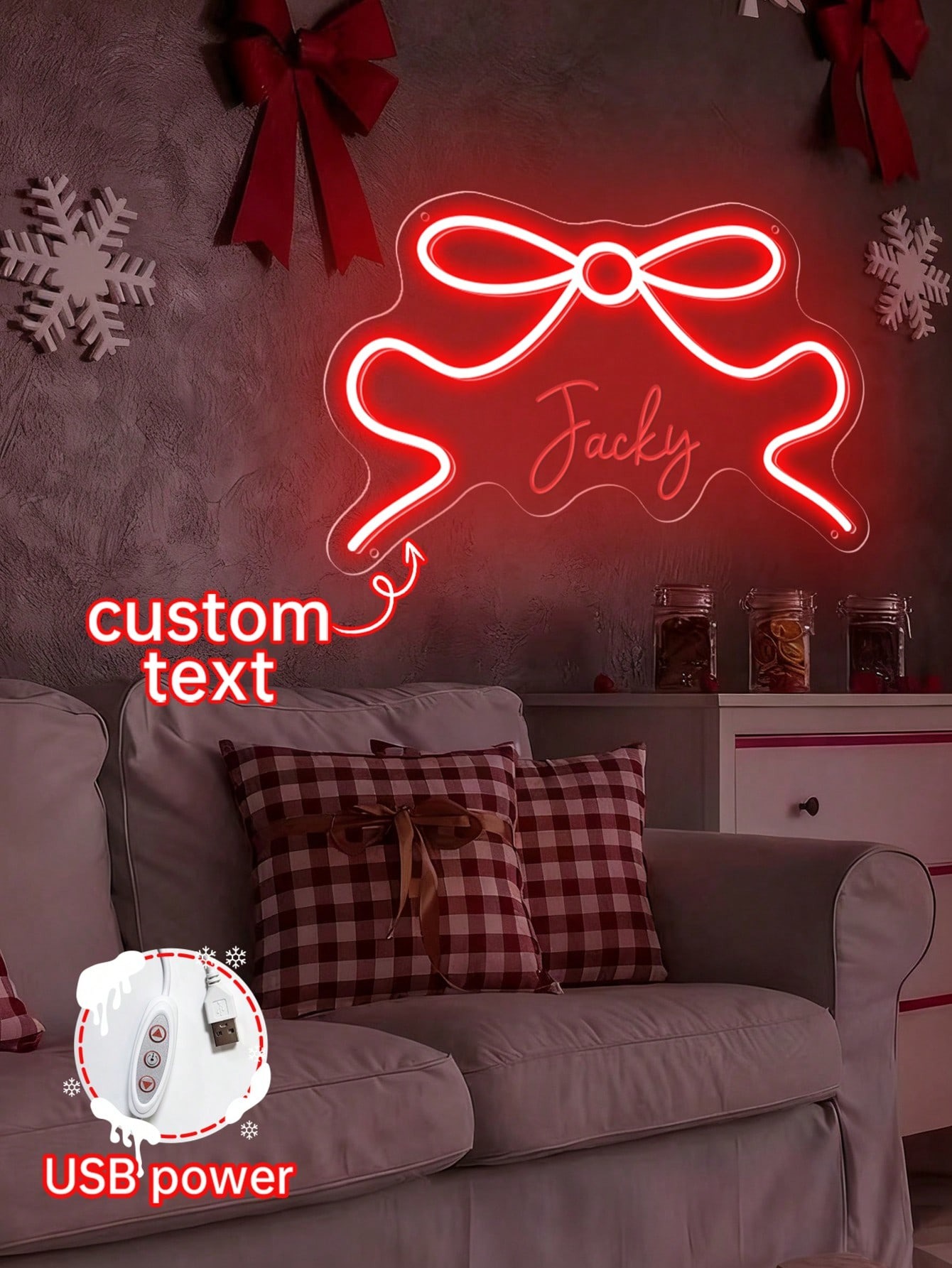
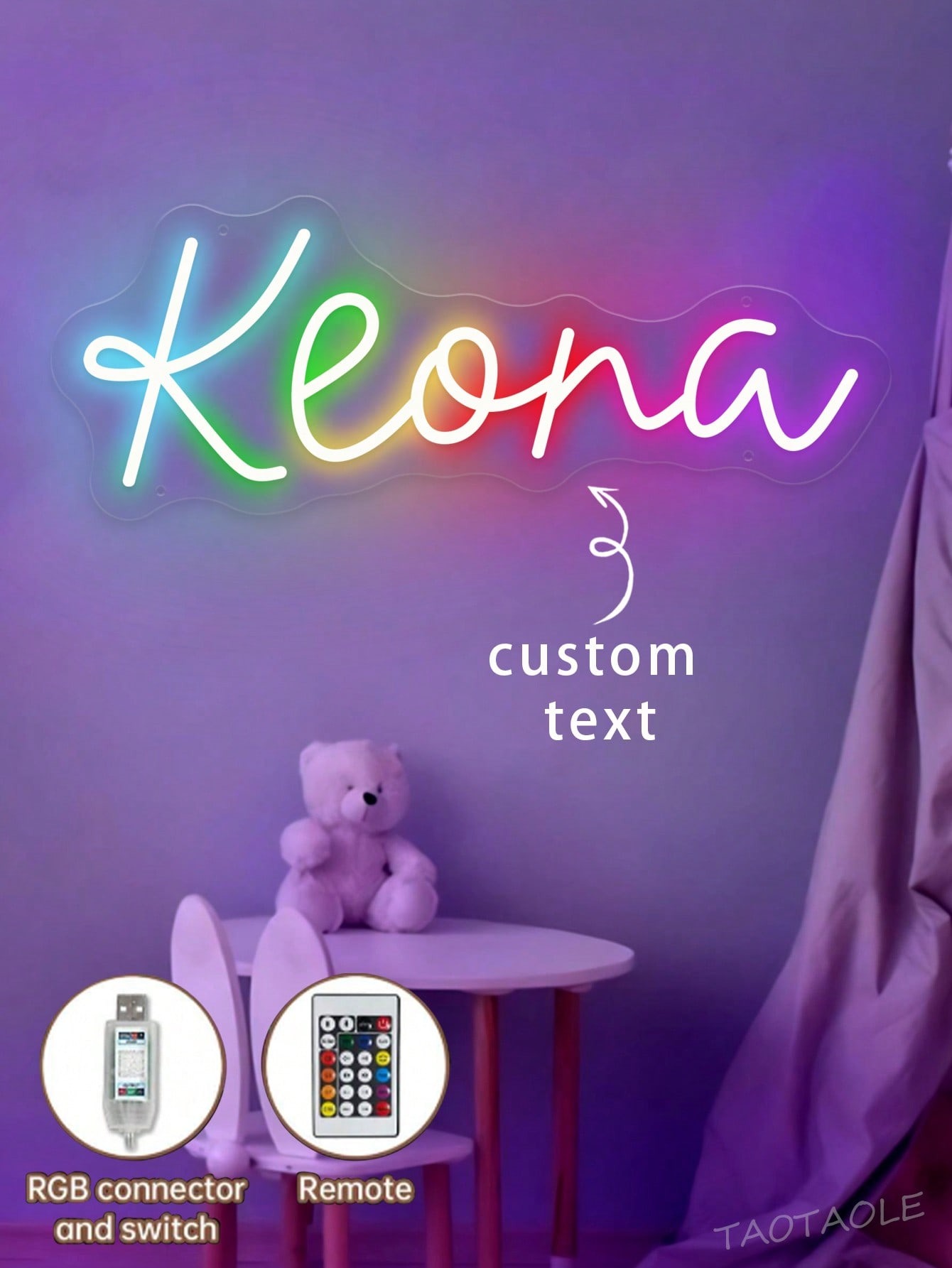
Neon is no longer just commercial. Many people use it in:
-
Home offices
-
Game rooms
-
Bedrooms
-
Creative studios
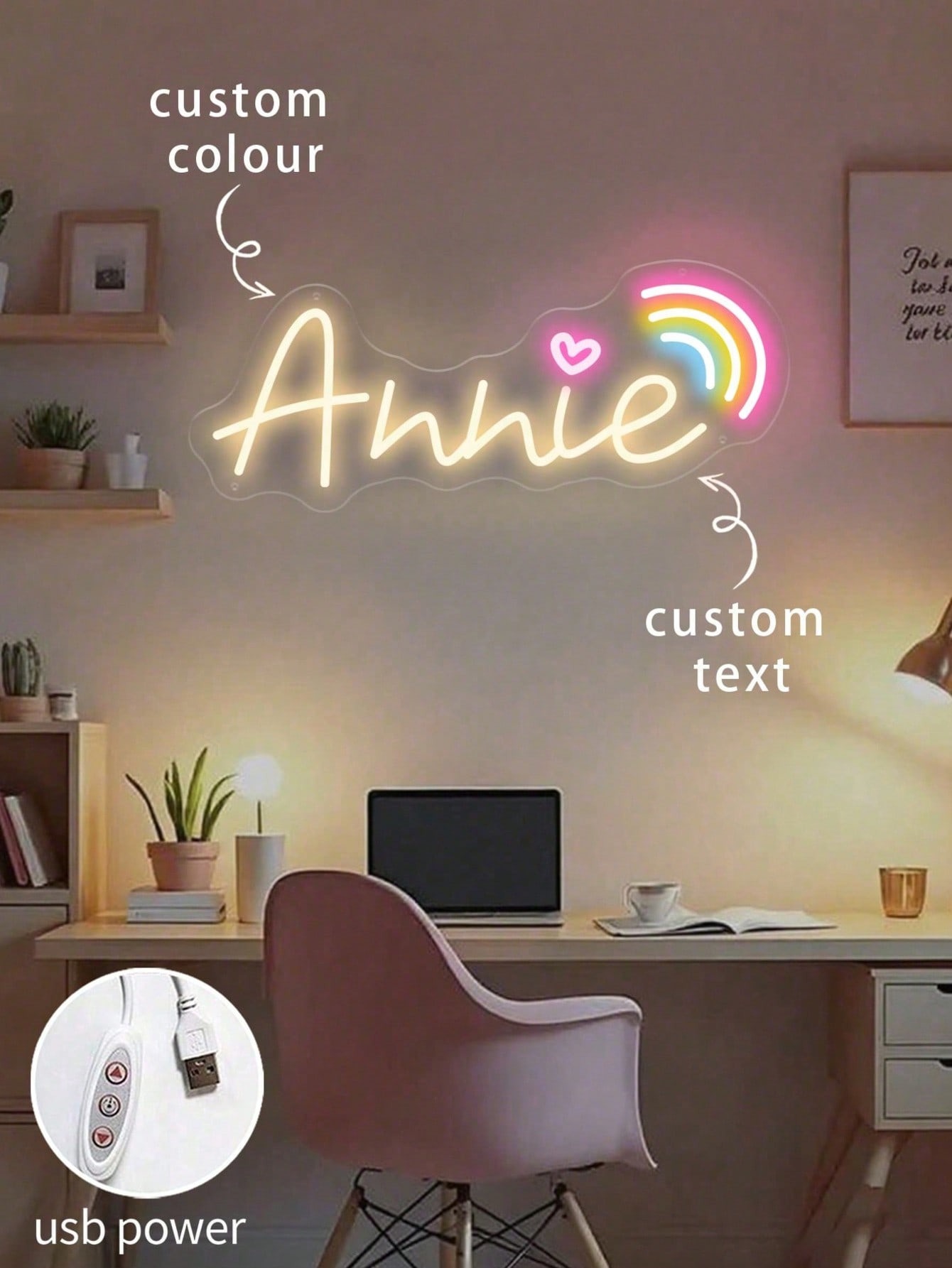
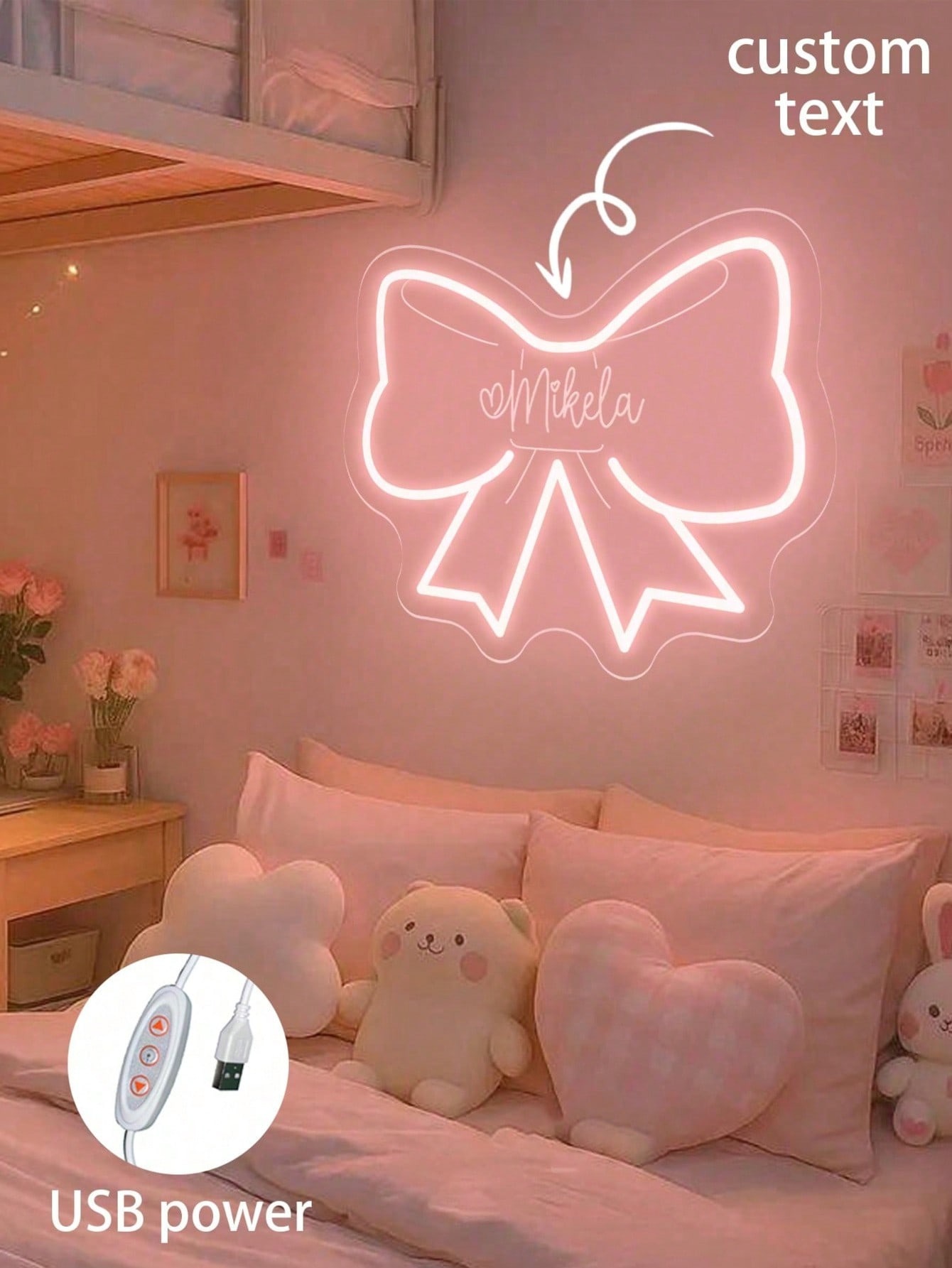
Personalized quotes, names, or symbols add personality without permanent remodeling.
Content Creation and Streaming
For creators, neon works as:
-
A background anchor
-
A visual brand marker
-
A recognizable set element
It shows up clearly on camera without overpowering the frame.
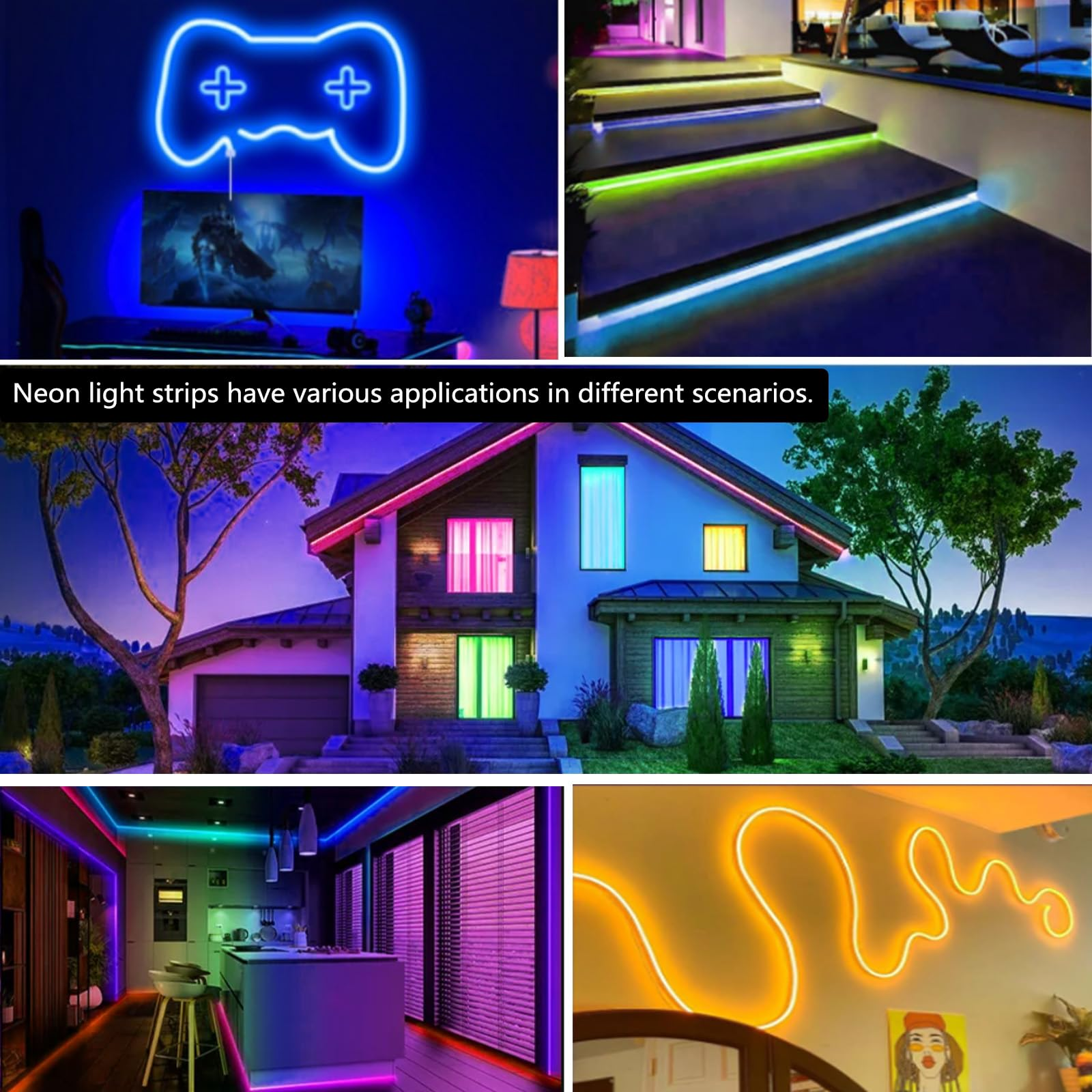
LED Neon vs Traditional Neon: Which Is Worth It?
For most users today, LED neon is the practical choice:
-
Safer
-
Lighter
-
More affordable
-
Easier to install
-
More flexible in design
Traditional glass neon still has a place in classic signage or restoration projects, but for everyday use, LED neon delivers the same visual impact with fewer downsides.
So… Is a Custom Neon Sign Worth It?
Yes — if you see it as a long-term identity piece, not a short-term ad.
A custom neon sign is worth it when:
-
Visibility matters
-
Branding matters
-
You want something that lasts
-
You care about aesthetics, not just function
It’s not worth it if you:
-
Need fast promotional turnover
-
Change messaging frequently
-
Can’t install illuminated signage legally
Like vinyl records or printed books, neon survives because it offers something digital and flat signage can’t: presence.
If you design it well and use it intentionally, a custom neon sign doesn’t just light up a space — it defines it.