











Eco-Friendly Neon Sign Options
Neon signs are widely known for their bright glow and visual appeal, but their environmental impact is often misunderstood. As sustainability becomes more important in both homes and businesses, many people are asking whether neon signs are a responsible choice—or just another form of energy-hungry decoration.
This article takes a realistic, fact-based look at eco-friendly neon sign options, covering both traditional glass neon and modern LED neon alternatives. Rather than promoting one solution, it examines where neon signs perform well environmentally and where they fall short.
What Materials Are Used in Neon Signs?
Traditional Glass Neon Signs
Traditional neon signs are made from hand-shaped glass tubes filled with inert gases such as neon or argon. Neon produces a red glow, while argon—combined with coatings—creates other colors.
From an environmental chemistry standpoint, these gases are stable and non-toxic. They do not react with other substances or release pollutants during normal use. Glass is also a recyclable material.
However, the manufacturing process is energy-intensive. Glass bending requires high temperatures and skilled labor, which increases the environmental footprint before the sign is even installed. In addition, glass neon is fragile, making breakage more likely during shipping or relocation.
LED Neon Alternatives
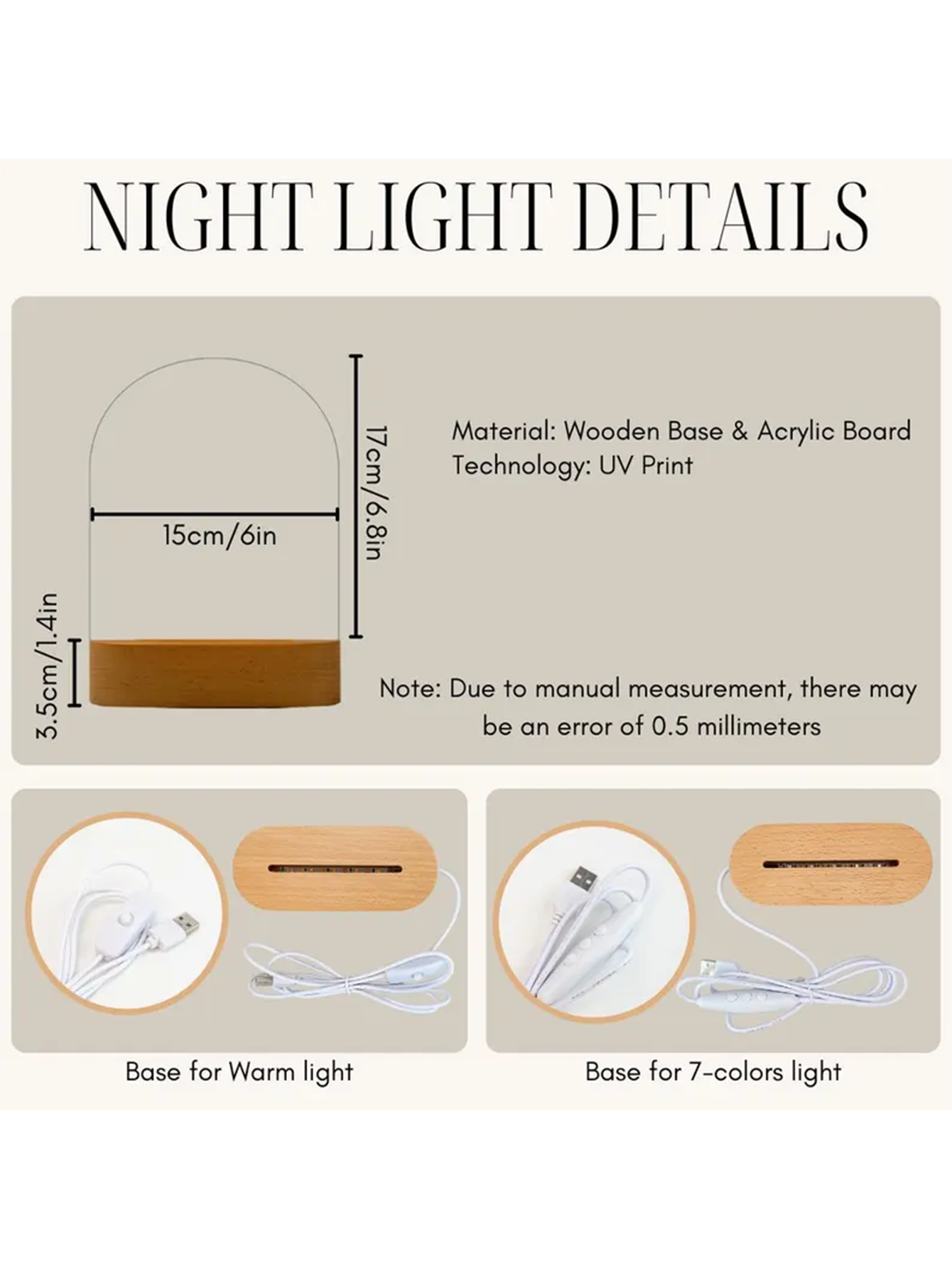
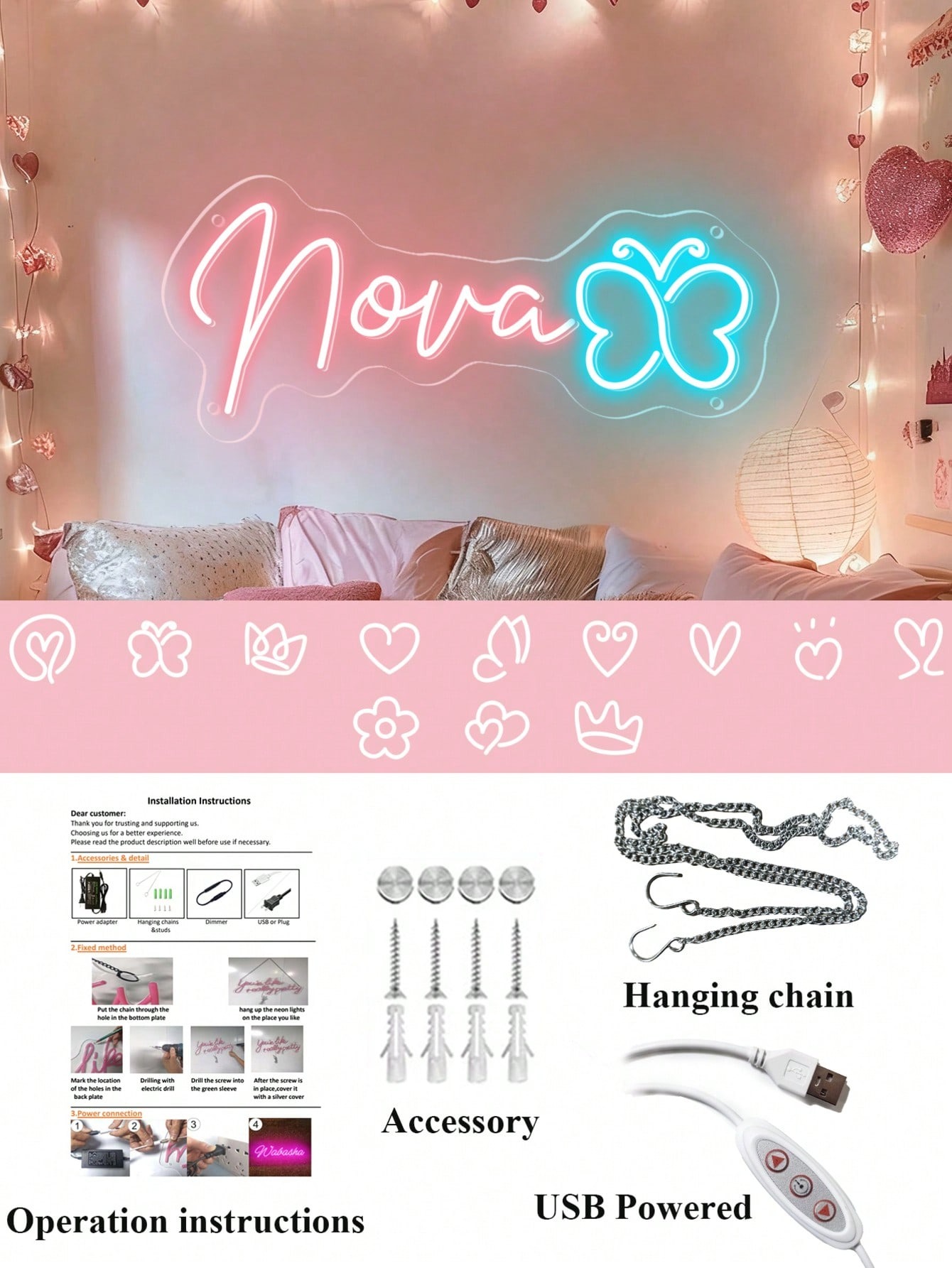
Most neon signs sold today are actually LED neon. These use flexible silicone or plastic tubing combined with LED light strips, often mounted on acrylic backing panels.
LED neon avoids gas entirely and is lighter and more durable than glass. Many of the plastics used are technically recyclable, but real-world recycling depends on local facilities and regulations. Unlike traditional neon, LED signs contain electronic components, which introduces the issue of electronic waste if disposal is not handled properly.
Energy Consumption and Power Efficiency
Energy use is one of the most important factors when evaluating eco-friendly neon sign options.
Traditional neon signs consume more electricity than LED neon, but still less than many older lighting systems. LED neon signs are significantly more efficient, often using low, steady wattage even when run for several hours a day.
That said, energy efficiency does not mean zero impact. Neon signs are usually decorative and often left on for long periods. Even efficient lighting contributes to overall electricity demand when used continuously.
Lifespan and Long-Term Environmental Impact
A sign’s lifespan plays a major role in its sustainability.
Well-made traditional neon signs can last 8–15 years or more if properly maintained. LED neon signs can offer similar lifespans, but quality varies widely. Lower-cost LED signs may fail earlier due to degraded LEDs, weakened adhesives, or discoloring materials.
From an environmental perspective, a longer-lasting sign is generally more sustainable, even if its production footprint is higher. Frequent replacement increases waste and manufacturing demand.
Recycling and End-of-Life Considerations
In theory, most neon sign components can be recycled.
Glass tubing, metal transformers, and wiring from traditional neon signs are recyclable when separated correctly. LED neon signs are more complex, containing mixed plastics, electronics, and wiring that may require specialized recycling facilities.
In practice, many neon signs are discarded due to inconvenience or lack of clear recycling options. This reduces their environmental advantage, regardless of how recyclable the materials may be.
Comparing Eco-Friendly Neon Sign Options
When comparing traditional neon and LED neon, LED signs generally perform better in terms of energy efficiency, durability, and ease of installation. Traditional neon can still be a reasonable option in long-term installations where repair and careful handling are possible.
Neither option is perfectly sustainable. The real environmental impact depends more on usage habits, build quality, and disposal choices than on the word “neon” itself.
Are Neon Signs Truly Sustainable?
Neon signs are not a perfect environmental solution, but they are also not inherently harmful when used responsibly.
They are more efficient than many legacy lighting systems, yet less sustainable than passive décor or natural lighting. Their impact largely depends on how often they are used, how long they last, and whether they are treated as long-term fixtures rather than disposable décor.
Final Thoughts
Eco-friendly neon sign options exist, particularly in the form of well-made LED neon signs. However, sustainability comes less from the technology itself and more from informed decision-making. Choosing durable products, limiting unnecessary runtime, and planning for responsible disposal all matter more than chasing a “green” label.
Neon signage can be a reasonable choice—but only when viewed realistically, not idealistically.
FAQ: Eco-Friendly Neon Signs
Are neon signs bad for the environment?
Not inherently. Their impact depends on energy use, lifespan, and disposal rather than the light itself.
Is LED neon more eco-friendly than traditional neon?
Generally yes, due to lower energy consumption and greater durability, though electronic waste is a consideration.
Do neon signs use a lot of electricity?
Modern LED neon signs use relatively little power, but long daily runtime can still add up over time.
Can neon signs be recycled?
Most components can be recycled, but actual recycling depends on local facilities and proper separation.
What makes a neon sign more sustainable?
High build quality, long lifespan, limited runtime, and responsible disposal all improve sustainability.