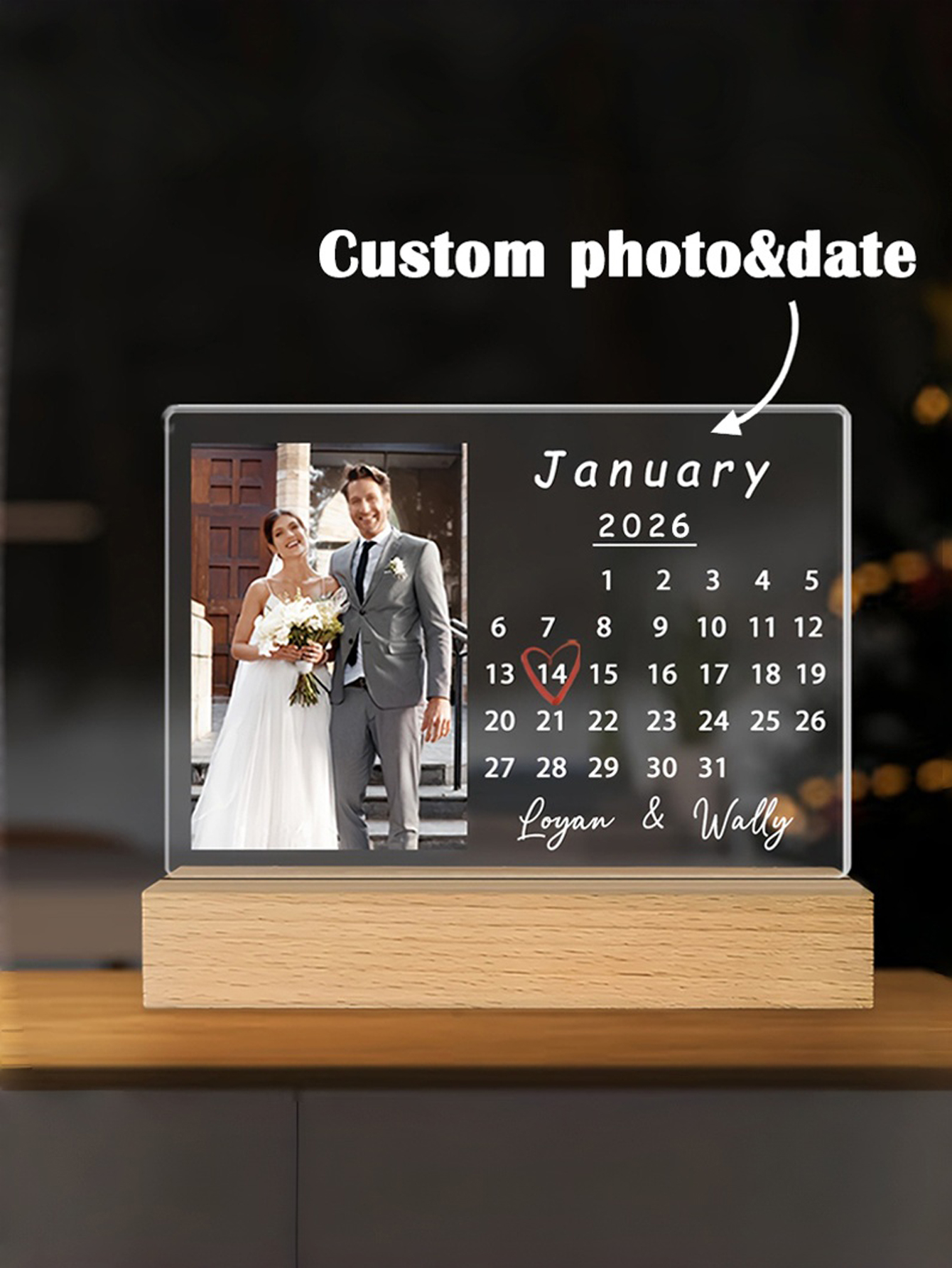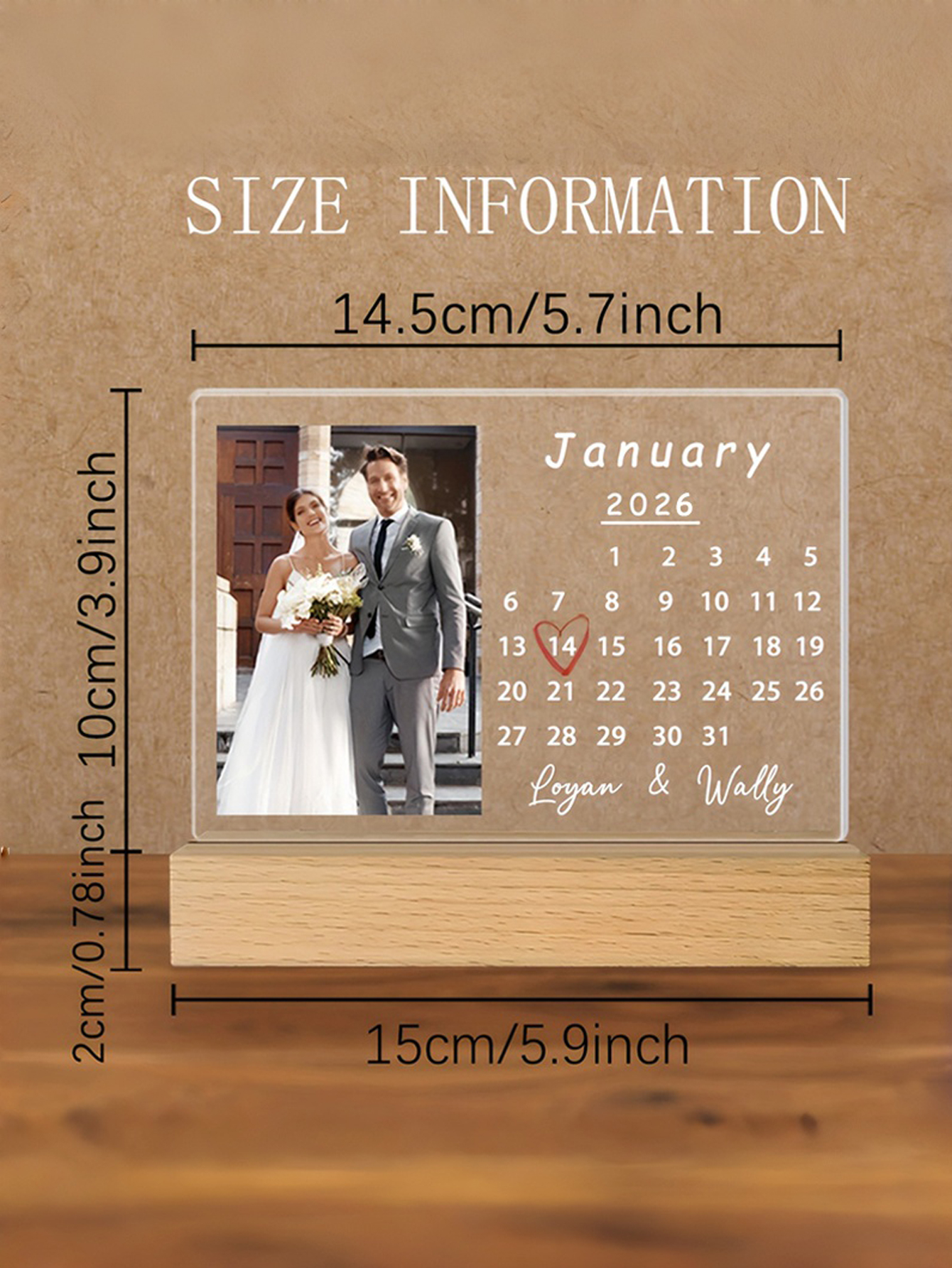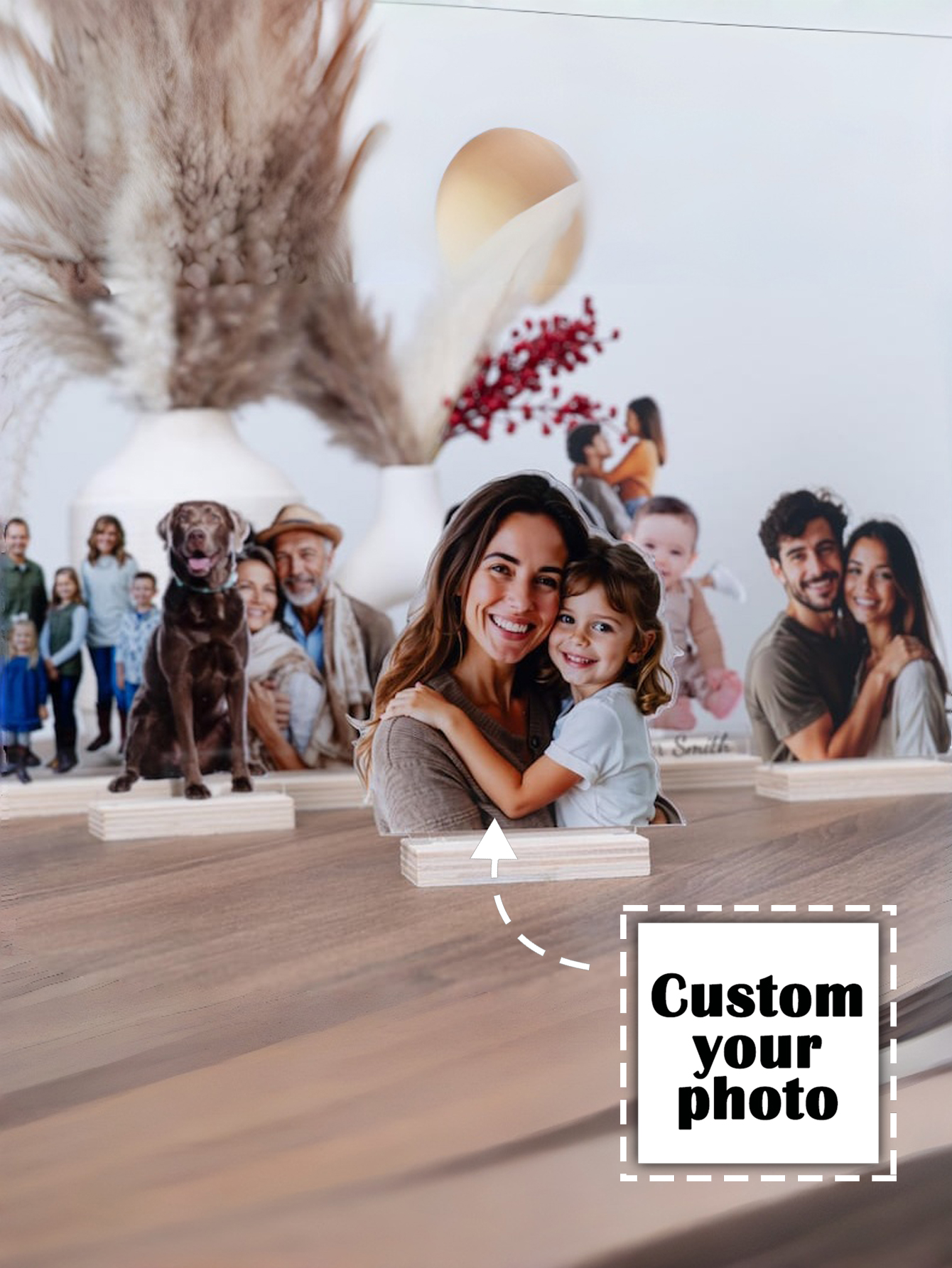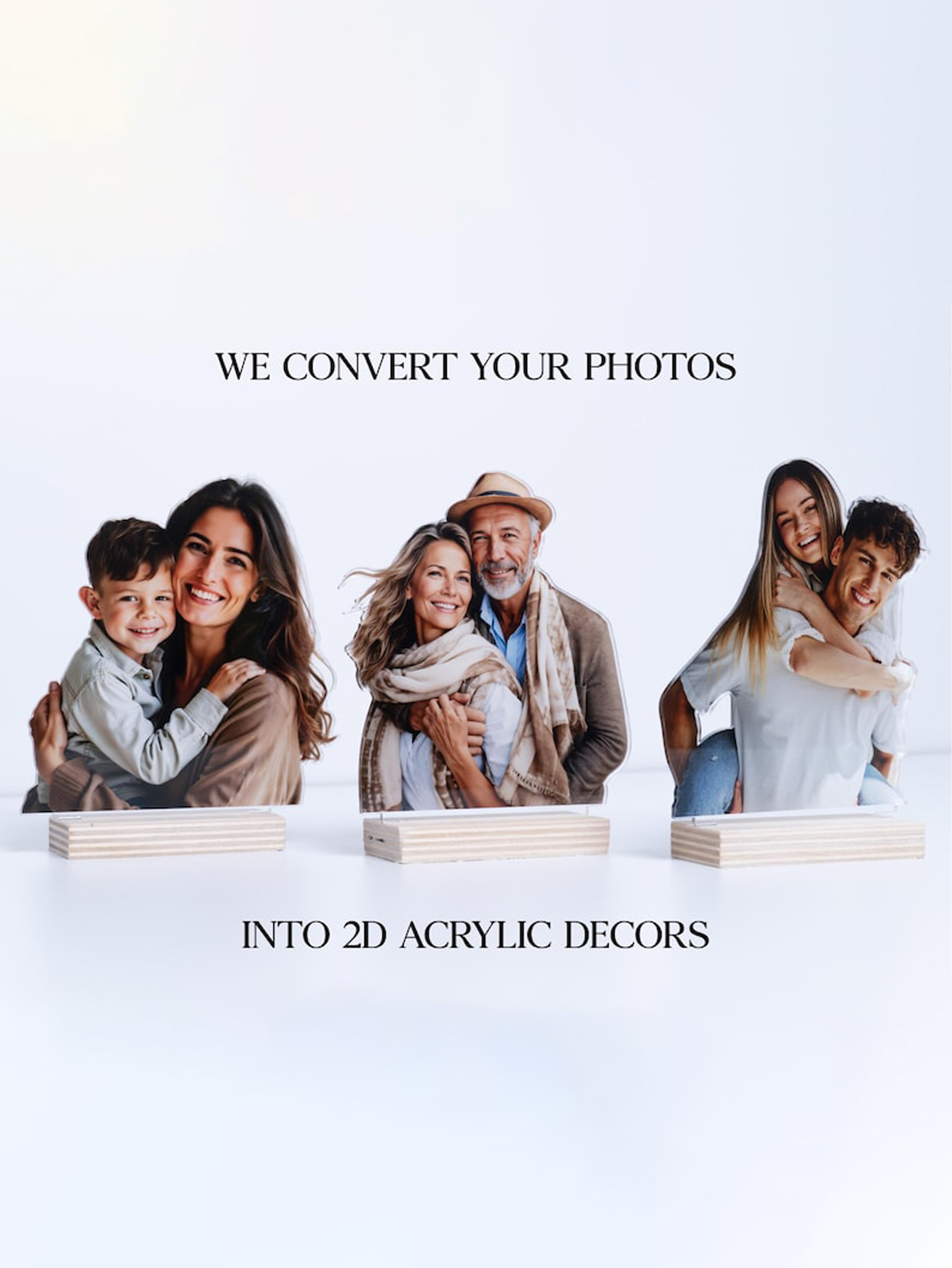


Why Acrylic Wedding Decor is the 2026 Trend You Need
The wedding landscape is shifting. While cardstock and vellum have long held the crown for elegance, 2026 is seeing a definitive pivot toward materials that offer depth, durability, and a modern edge. Leading this charge is acrylic. Once reserved for ultra-modern galleries or high-end corporate events, acrylic has transitioned into a wedding staple that balances industrial chic with timeless transparency.
From a design perspective, the move toward "glass-look" materials isn't just about aesthetics; it’s about how light and space interact. In an era where couples are prioritizing unique venues—from industrial lofts to botanical glasshouses—acrylic provides a medium that complements the environment rather than competing with it.
Why Acrylic Works
Acrylic, or polymethyl methacrylate (PMMA), offers a clarity that rivals glass but with a fraction of the weight and much higher shatter resistance. In 2026, we are seeing three specific trends that make it the "need-to-have" material:
-
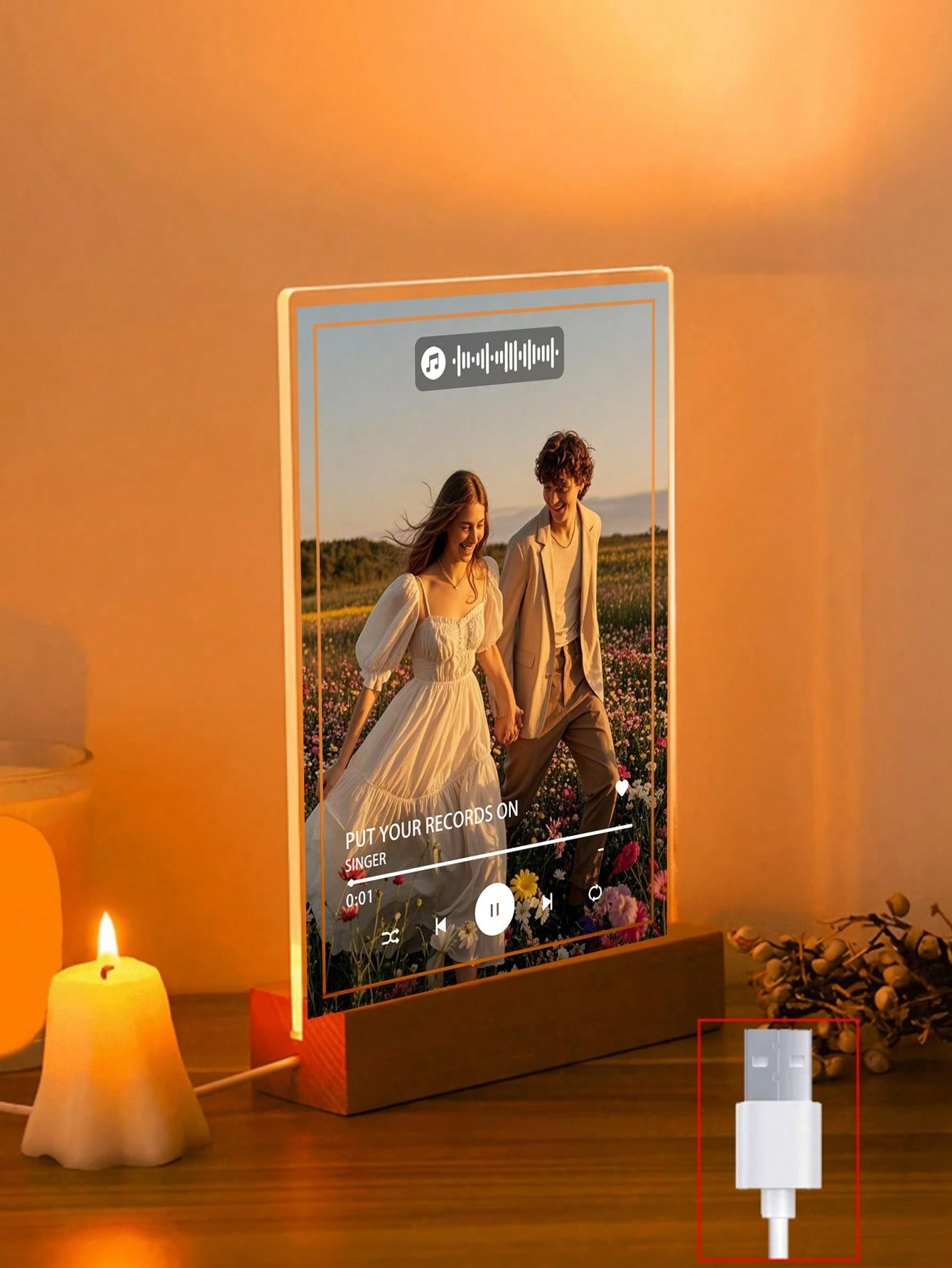
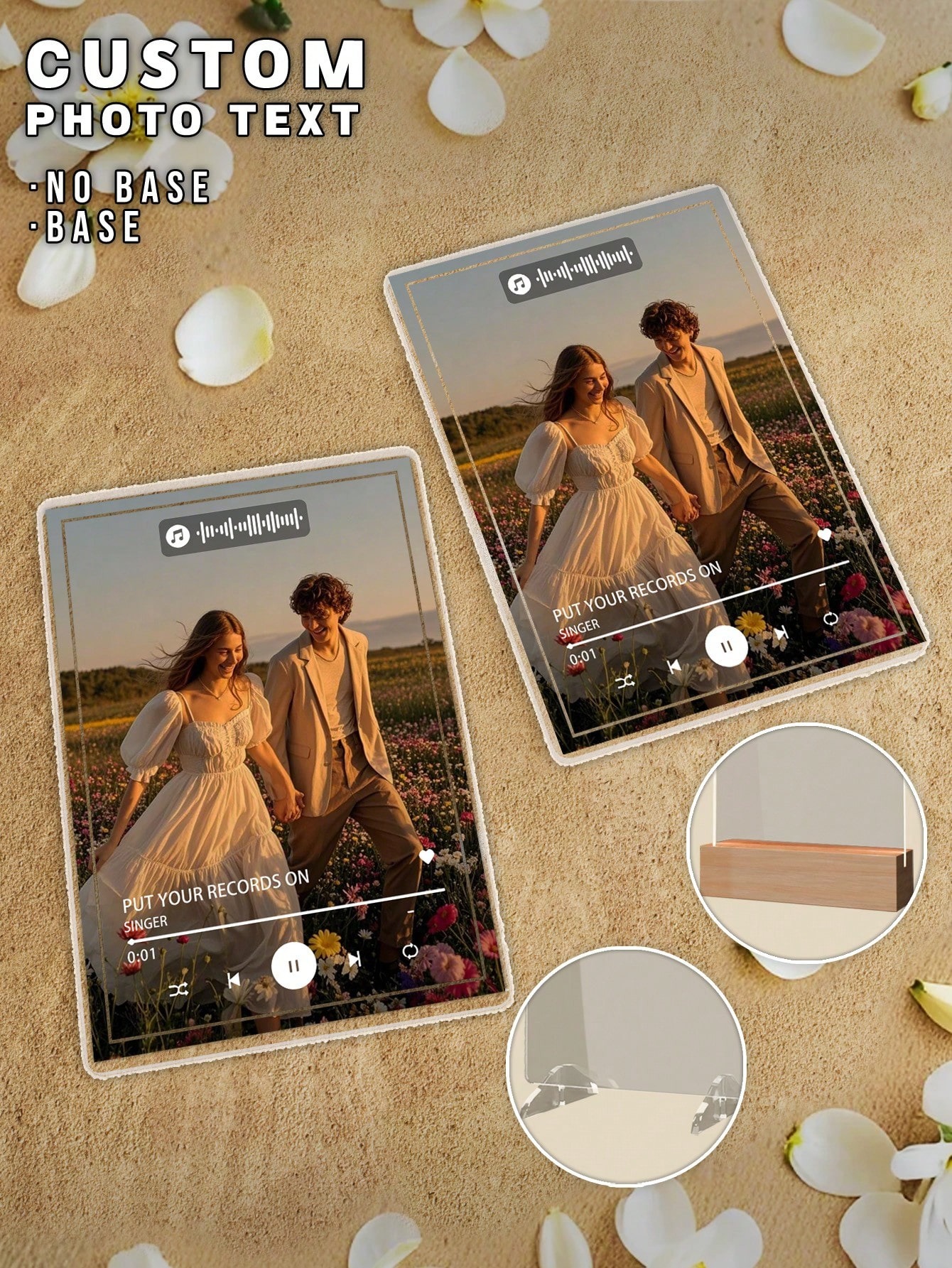
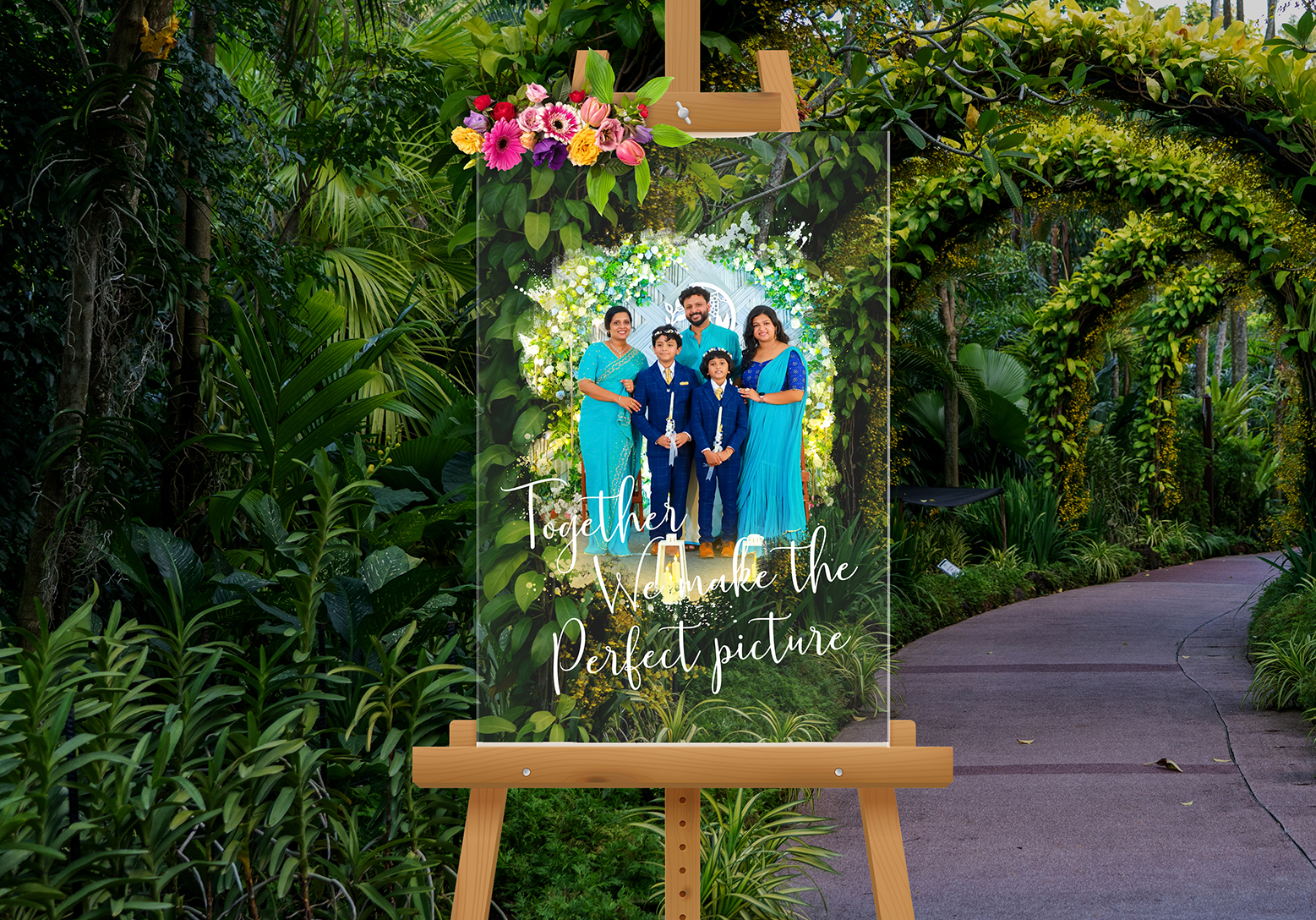
Floating Text Effects: Unlike paper, which has a physical border, clear acrylic signs allow text to "hover" in mid-air. This is particularly effective for seating charts or welcome signs placed against a scenic backdrop, such as a garden or a sunset.
-
The Layering Technique: Designers are now layering frosted acrylic over solid-colored plexiglass or even wood. This creates a 3D effect that paper simply cannot replicate.
-
Minimalism Meets Durability: We’ve moved past the era of flimsy signage. Acrylic feels substantial. It doesn't wilt in high humidity, and it won't blow away during a breezy outdoor ceremony.
Gemini said
Why Acrylic Wedding Decor is the 2026 Trend You Need
The wedding landscape is shifting. While cardstock and vellum have long held the crown for elegance, 2026 is seeing a definitive pivot toward materials that offer depth, durability, and a modern edge. Leading this charge is acrylic. Once reserved for ultra-modern galleries or high-end corporate events, acrylic has transitioned into a wedding staple that balances industrial chic with timeless transparency.
From a design perspective, the move toward "glass-look" materials isn't just about aesthetics; it’s about how light and space interact. In an era where couples are prioritizing unique venues—from industrial lofts to botanical glasshouses—acrylic provides a medium that complements the environment rather than competing with it.
The Aesthetic Evolution: Why Acrylic Works
Acrylic, or polymethyl methacrylate (PMMA), offers a clarity that rivals glass but with a fraction of the weight and much higher shatter resistance. In 2026, we are seeing three specific trends that make it the "need-to-have" material:
-
Floating Text Effects: Unlike paper, which has a physical border, clear acrylic signs allow text to "hover" in mid-air. This is particularly effective for seating charts or welcome signs placed against a scenic backdrop, such as a garden or a sunset.
-
The Layering Technique: Designers are now layering frosted acrylic over solid-colored plexiglass or even wood. This creates a 3D effect that paper simply cannot replicate.
-
Minimalism Meets Durability: We’ve moved past the era of flimsy signage. Acrylic feels substantial. It doesn't wilt in high humidity, and it won't blow away during a breezy outdoor ceremony.
The Reality of DIY vs. Professional Sourcing
A common pitfall many couples encounter is underestimating the complexity of acrylic. Online forums are often filled with "DIY rants" from well-meaning crafters who realized too late that working with plastic is vastly different from working with paper.
1. The Cutting Challenge
Standard hardware stores often sell acrylic sheets but rarely offer precision cutting for custom wedding sizes. Attempting to cut acrylic at home without a laser cutter or a high-speed jigsaw (and the right blade) usually results in jagged edges or catastrophic cracks. If you are aiming for a professional look, sourcing pre-cut sheets or hiring a professional with a CO2 laser is almost always more cost-effective than wasting material on failed DIY attempts.
2. The Cost Paradox
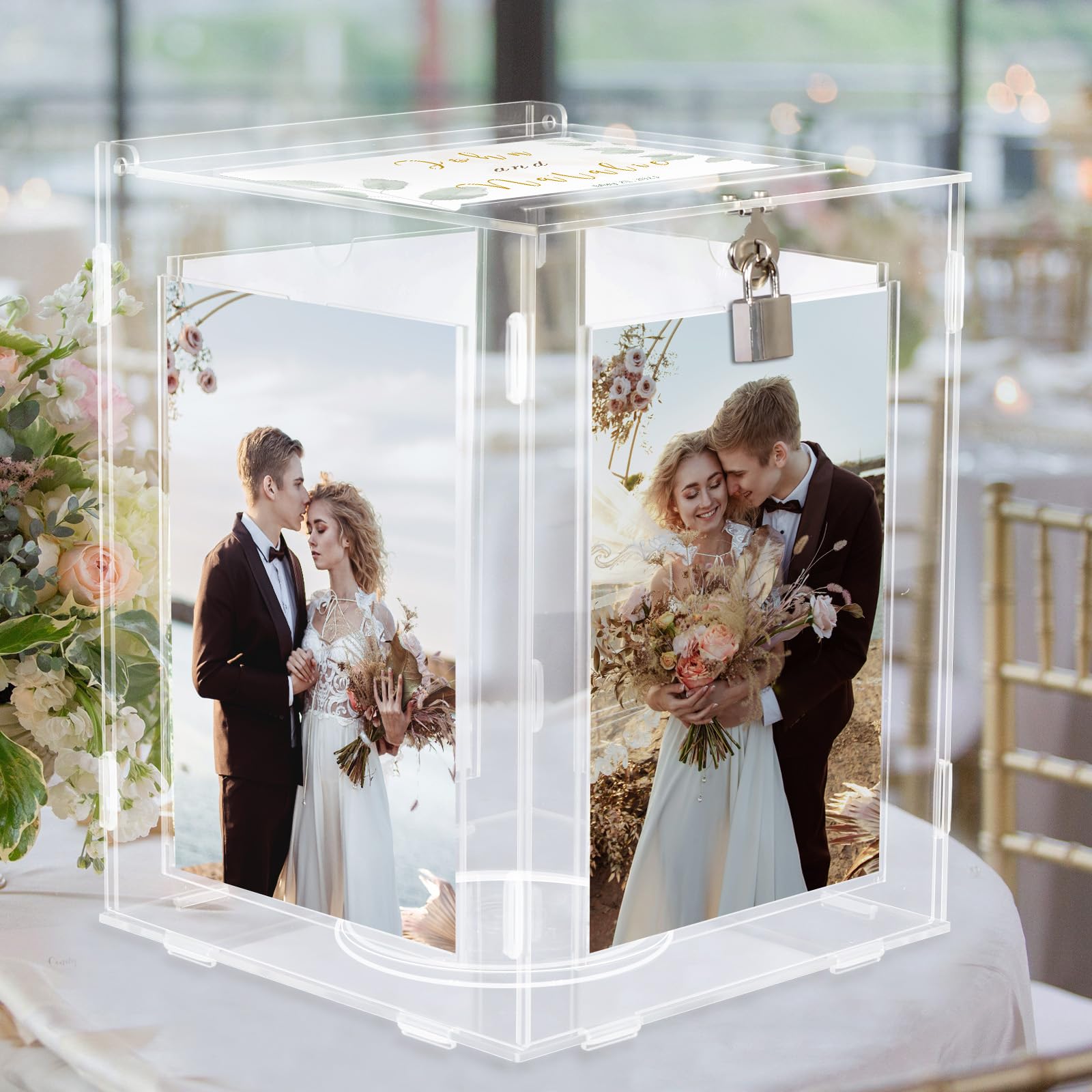
Acrylic is a premium material. While it looks stunning, the raw material costs and the shipping weight make it more expensive than traditional stationery. However, the value lies in its multi-functionality. An acrylic welcome sign can easily be repurposed as home decor after the wedding, whereas a foam-core board usually ends up in the trash.
Sustainable Luxury: A New Perspective
As we look at 2026 trends, "sustainability" is no longer just a buzzword; it is a requirement. While acrylic is a plastic, its longevity offers a different kind of sustainability: the end of single-use wedding waste. Because acrylic is weather-resistant and sturdy, it is becoming common for couples to rent their large-scale signage—like seating chart walls or table numbers—from local planners. This "circular" approach allows the material to be used in dozens of weddings, reducing the carbon footprint compared to hundreds of individualized paper products that are discarded after six hours.
Gemini said
Beyond Paper: Why Acrylic Wedding Decor is the 2026 Trend You Need
The wedding landscape is shifting. While cardstock and vellum have long held the crown for elegance, 2026 is seeing a definitive pivot toward materials that offer depth, durability, and a modern edge. Leading this charge is acrylic. Once reserved for ultra-modern galleries or high-end corporate events, acrylic has transitioned into a wedding staple that balances industrial chic with timeless transparency.
From a design perspective, the move toward "glass-look" materials isn't just about aesthetics; it’s about how light and space interact. In an era where couples are prioritizing unique venues—from industrial lofts to botanical glasshouses—acrylic provides a medium that complements the environment rather than competing with it.
The Aesthetic Evolution: Why Acrylic Works
Acrylic, or polymethyl methacrylate (PMMA), offers a clarity that rivals glass but with a fraction of the weight and much higher shatter resistance. In 2026, we are seeing three specific trends that make it the "need-to-have" material:
-
Floating Text Effects: Unlike paper, which has a physical border, clear acrylic signs allow text to "hover" in mid-air. This is particularly effective for seating charts or welcome signs placed against a scenic backdrop, such as a garden or a sunset.
-
The Layering Technique: Designers are now layering frosted acrylic over solid-colored plexiglass or even wood. This creates a 3D effect that paper simply cannot replicate.
-
Minimalism Meets Durability: We’ve moved past the era of flimsy signage. Acrylic feels substantial. It doesn't wilt in high humidity, and it won't blow away during a breezy outdoor ceremony.
The Reality of DIY vs. Professional Sourcing
A common pitfall many couples encounter is underestimating the complexity of acrylic. Online forums are often filled with "DIY rants" from well-meaning crafters who realized too late that working with plastic is vastly different from working with paper.
1. The Cutting Challenge
Standard hardware stores often sell acrylic sheets but rarely offer precision cutting for custom wedding sizes. Attempting to cut acrylic at home without a laser cutter or a high-speed jigsaw (and the right blade) usually results in jagged edges or catastrophic cracks. If you are aiming for a professional look, sourcing pre-cut sheets or hiring a professional with a CO2 laser is almost always more cost-effective than wasting material on failed DIY attempts.
2. The Cost Paradox
Acrylic is a premium material. While it looks stunning, the raw material costs and the shipping weight make it more expensive than traditional stationery. However, the value lies in its multi-functionality. An acrylic welcome sign can easily be repurposed as home decor after the wedding, whereas a foam-core board usually ends up in the trash.
Sustainable Luxury: A New Perspective
As we look at 2026 trends, "sustainability" is no longer just a buzzword; it is a requirement. While acrylic is a plastic, its longevity offers a different kind of sustainability: the end of single-use wedding waste. Because acrylic is weather-resistant and sturdy, it is becoming common for couples to rent their large-scale signage—like seating chart walls or table numbers—from local planners. This "circular" approach allows the material to be used in dozens of weddings, reducing the carbon footprint compared to hundreds of individualized paper products that are discarded after six hours.
Practical Advice for 2026 Couples
If you are considering integrating acrylic into your wedding design, keep these technical details in mind:
-
Watch the Lighting: Because acrylic is reflective, it can be difficult to photograph if placed directly under harsh lights or in front of a window. Opt for frosted (matte) acrylic if you want to ensure your signage is legible in every photo.
-
Cleaning is Key: Acrylic is a magnet for fingerprints and dust. Avoid using window cleaners (like Windex), which can "cloud" the plastic over time. A simple microfiber cloth and a dedicated plastic cleaner are essential for that crystal-clear finish.
-
Consistency: To keep the look cohesive, carry the acrylic theme through small details. If your invitations are acrylic, consider using small acrylic blocks for place cards or even clear "ghost chairs" for the ceremony.
Acrylic wedding decor in 2026 represents a shift toward intentional, durable, and visually striking celebrations. It’s a choice for the couple that values the intersection of modern technology and classic romance—moving beyond the page to create something truly transparent.
Acrylic Wedding Decor: Quick FAQ
Is acrylic more expensive than paper? Yes. As a raw material, acrylic carries a higher price point than premium cardstock. Additionally, because it is heavier and more fragile to scratch, shipping costs are generally higher. However, its durability often allows for post-wedding home use or rental potential.
Can I easily DIY my own acrylic signs? It is more difficult than it looks. While "tracing" with paint markers is popular, cutting the material requires specialized tools (like a laser cutter) to avoid cracking. Many DIYers find that buying a professional finished product is cheaper than purchasing the tools and ruined "practice" sheets.
How do I prevent glare in wedding photos? Clear acrylic is highly reflective. To ensure legibility in photography, consider frosted or matte acrylic. If using clear sheets, angle them slightly away from direct light sources and avoid placing them directly in front of bright windows.
How do I clean acrylic without scratching it? Never use paper towels or ammonia-based cleaners (like Windex), as these can create micro-scratches or "cloud" the surface. Use a clean microfiber cloth and a dedicated plastic cleaner or a mild mixture of dish soap and water.
Is acrylic wedding decor eco-friendly? While it is a plastic, its "green" value lies in its reusability. Unlike paper signage that is discarded, acrylic is sturdy enough to be sold, repurposed as home decor, or rented out by planners for multiple events, reducing single-use waste.